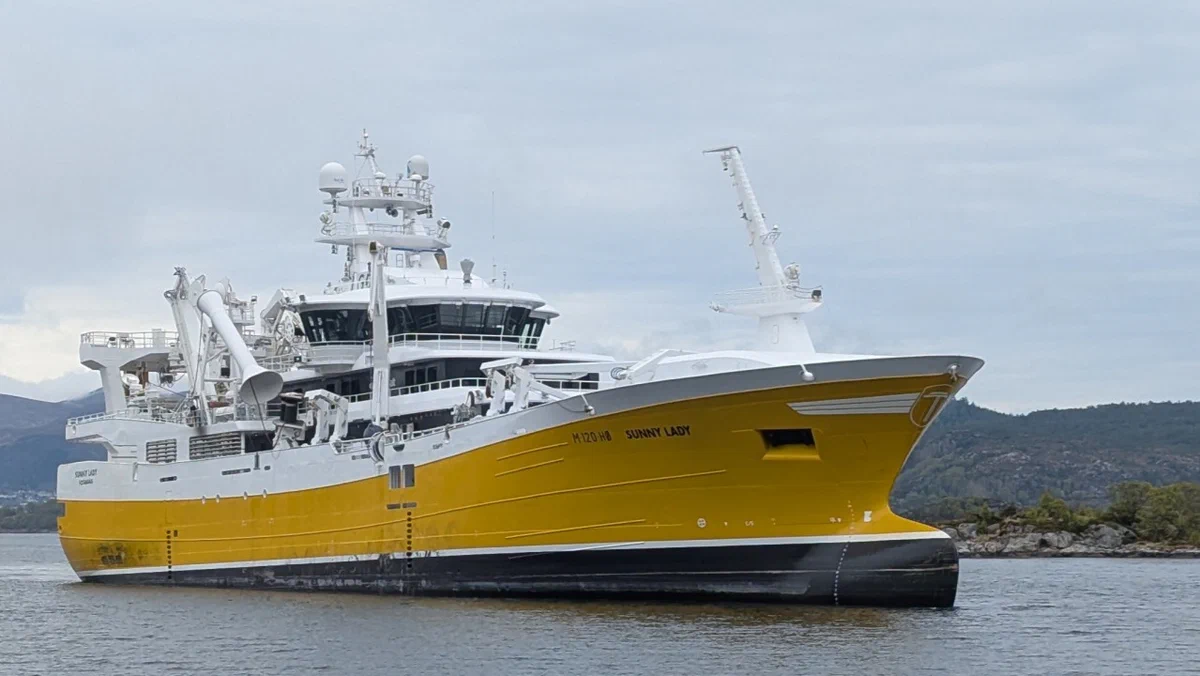
Traditional automation for fishing vessels has long relied on basic joystick panels to operate deck equipment like winches. But what happens when multiple users try to take control from different panels? The conventional solution—manual selector switches on the bridge—puts extra pressure on the skipper, who’s already juggling navigation and supervising the catch.
At Setpoint, we solved this with intelligent control allocation. Our system automatically manages access to deck devices without burdening the skipper or requiring hard-coded project logic. Any panel can take control from another without interrupting ongoing automatic operations—perfect for situations like a snagged trawl net or a fish pump that needs manual override.
Zero Project-Specific Code. Fully Configurable.
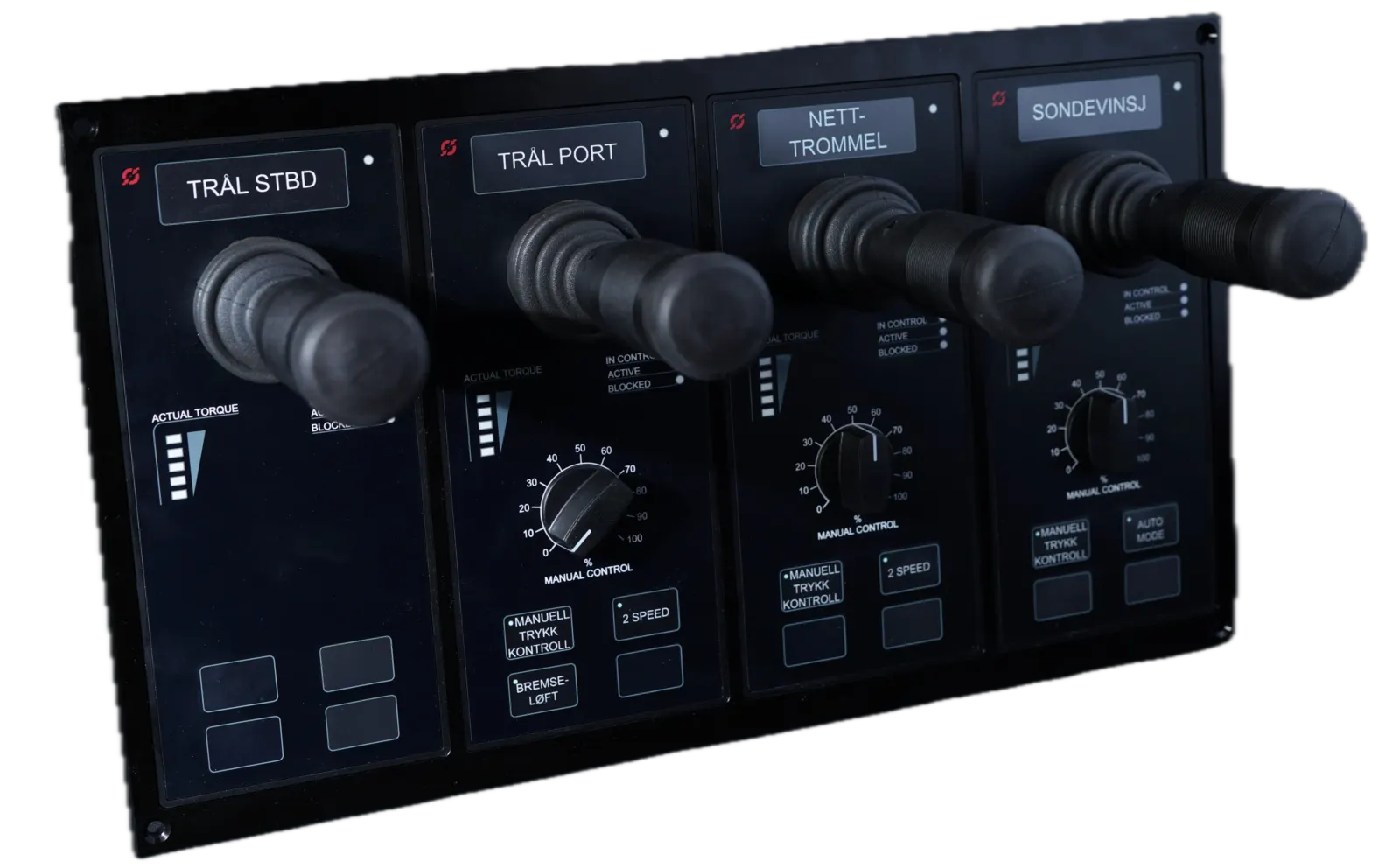
A decade ago, each control panel was bloated with complex ladder code and cryptic acronyms. Debugging was painful, error-prone, and costly. We replaced that chaos with a fully configurable logic layer—no custom code required per project.
Users can now operate winches, cranes, and remote panels dynamically. When a deckhand selects a different winch, the system safely deactivates the previous one. It’s all handled through configuration, not rewriting logic.
Intelligent Inverter Sharing
Space-saving through inverter sharing became common in electrical winch setups. But when one winch needs four inverters, and two were already in use elsewhere, how do you manage it? Our logic dynamically allocates inverters based on demand. No switches. No manual intervention. Just seamless operation—automated and transparent to the user
Robust Communication with MQTT
Integrating MQTT into PLCs posed a challenge, given the pointer-heavy libraries and outdated string handling in IEC61131-3. But the payoff is big: MQTT enabled us to decouple the HMI from specific project logic, making testing easier and dramatically cutting engineering costs.
Smarter Trawling Automation
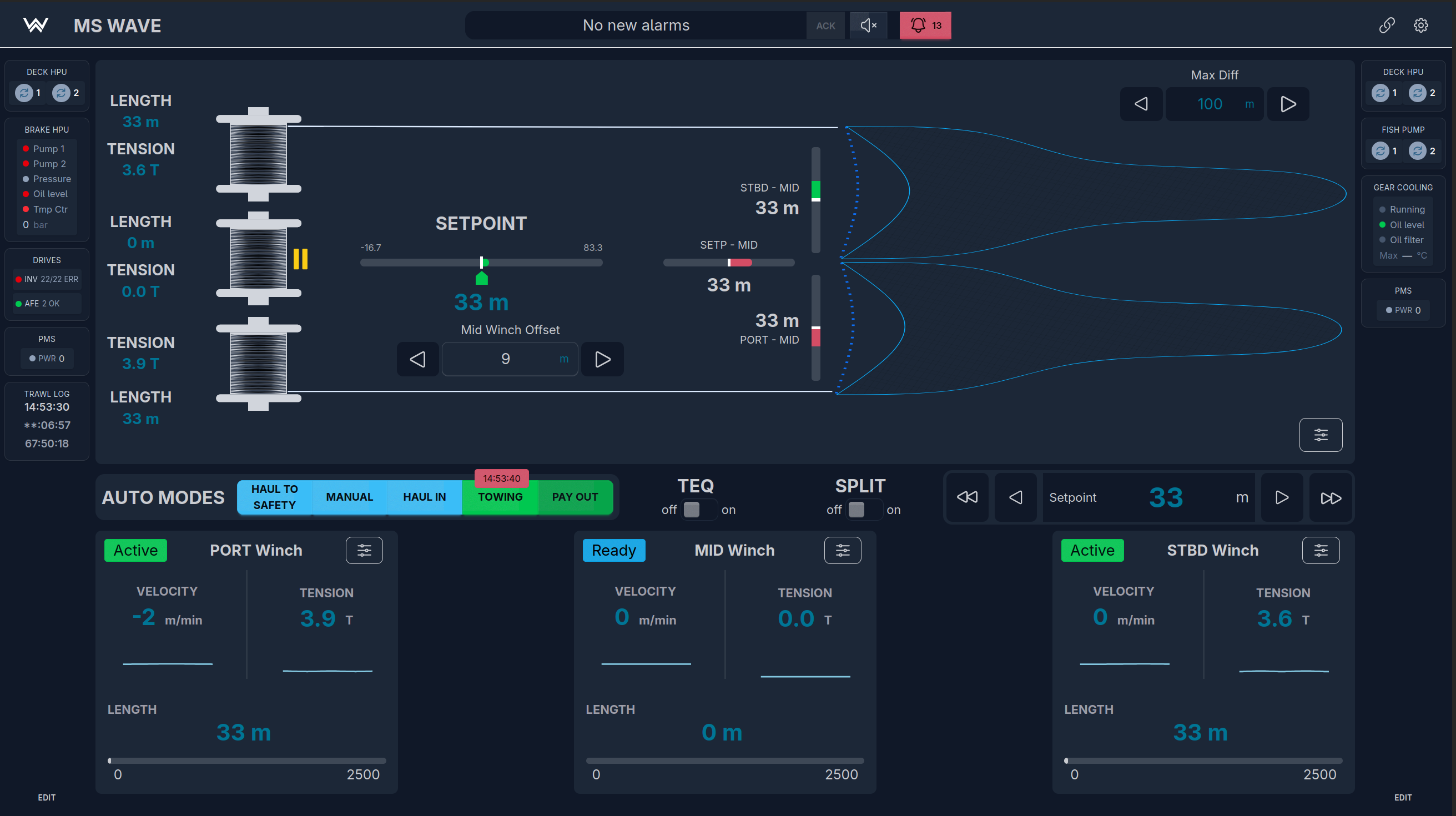
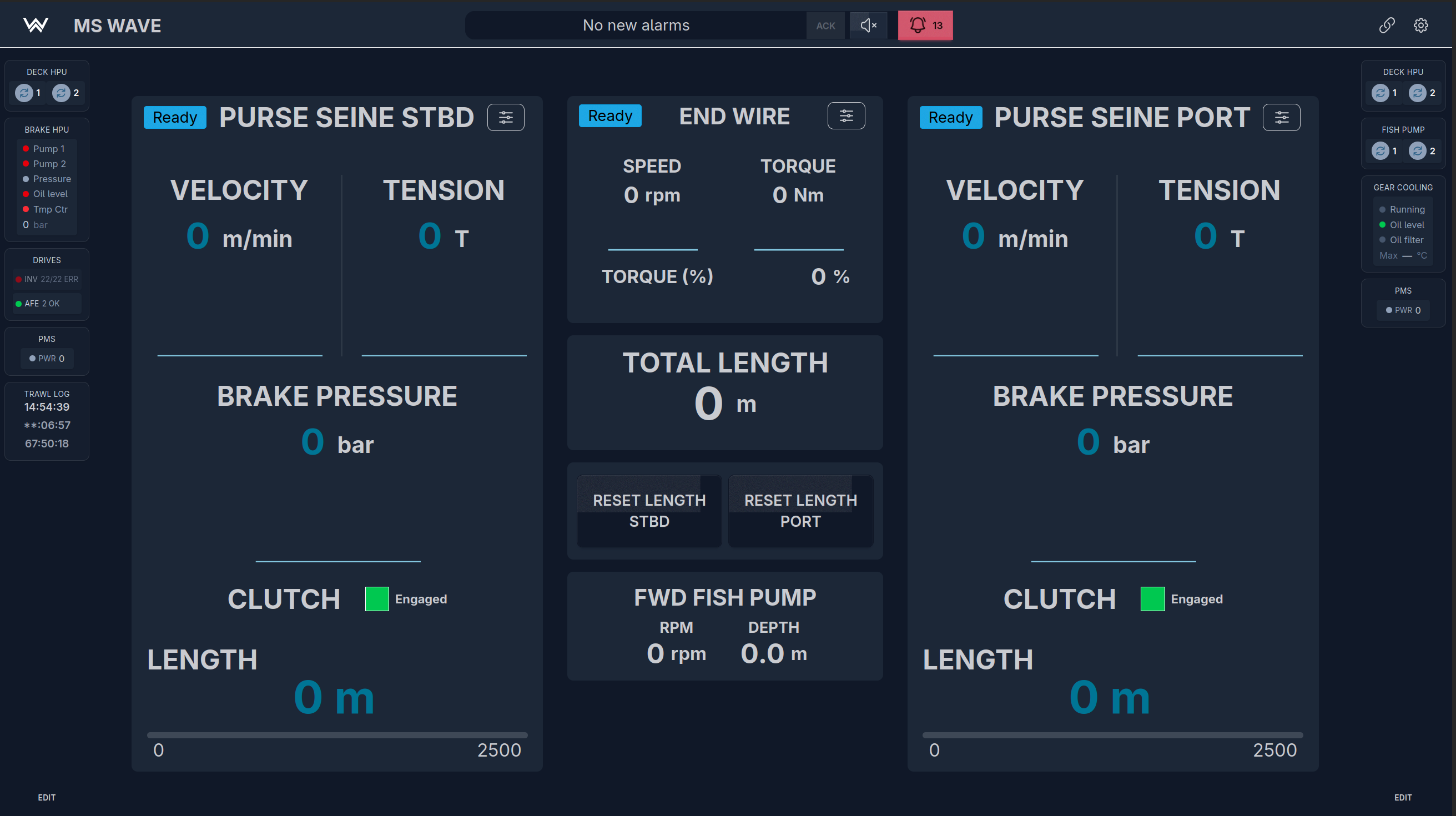
We’ve developed an automatic trawl controller that maintains net depth and prevents closure during vessel turns. Whether you’re running three winches or switching to a single-trawl system, our controller handles transitions smoothly. Tension equalization keeps the net open, and automatic payout engages when manual control hits predefined limits.
Even the sounder winch is smarter—controlled by tension, not just torque—reducing the skipper’s workload.
Tackling Real-World Challenges
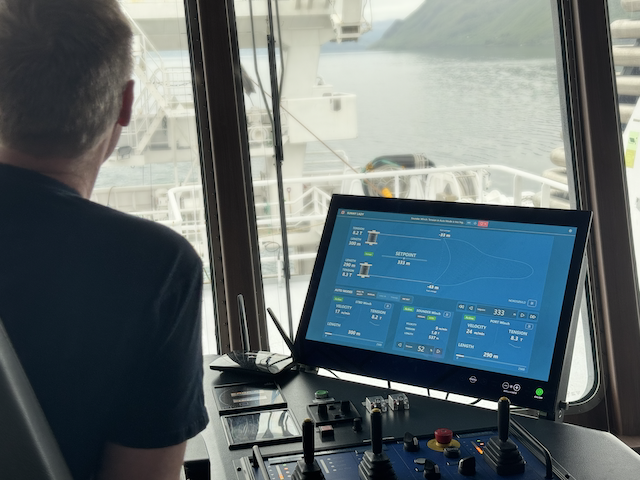
Every vessel works differently. Processes, safety protocols, power availability, and subsystems vary. Blackouts from underpowered AC systems or overheating inverters aren’t uncommon. Our system is designed to handle unexpected failures—cooling loss, brake issues, or sudden stops—while always prioritizing gear safety and crew security.
These aren’t just technical decisions—they’re part of a broader conversation with vessel owners about balancing risk, safety, and efficiency.
i## Development Philosophy: Concepts First
Too often in automation, the focus is on code instead of concepts. That’s backward. Real solutions come from understanding system requirements, regulations, and how components must interact.
We embraced composition over inheritance to keep the system flexible and future-proof. Interfaces are designed before code is written, allowing for better collaboration and easier revisions. If something doesn’t work, it can be replaced cleanly—no legacy bugs carried forward.
Why TwinCAT?
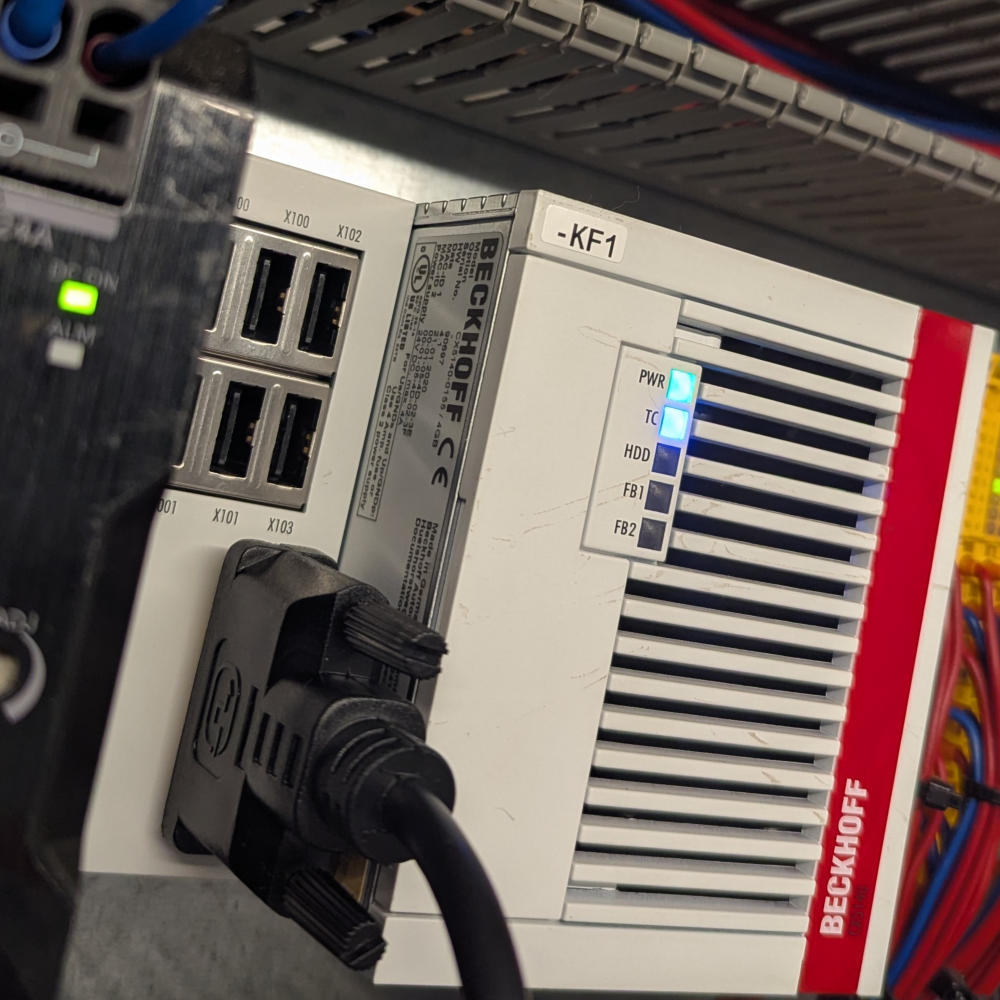
We chose TwinCAT for good reason:
- Ultra-low jitter with 10ms cycle times
- Rich library support and wide PLC compatibility
- Strong support for composition in programming
That said, it’s not perfect. Visual Studio can be unstable, especially with references open. And FB_Init() limitations make reference handling tricky due to legacy compatibility. But the benefits far outweigh the quirks.
What is fishing about?
Trawling is about the position the net towards the fish. The opening has to be optimal at all times and at the right depth. For that purpose and package with sensor electronics, connected to the doors and net. A well equipped fishing vessel knows about the position of the doors in depth, pitch and roll and is knowing how much the load has to be expected. A ultrasonic sensor in the center monitors the opening of the net. The skipper is maintaining the depth and opening with the length of the wires and the speed of the vessel.
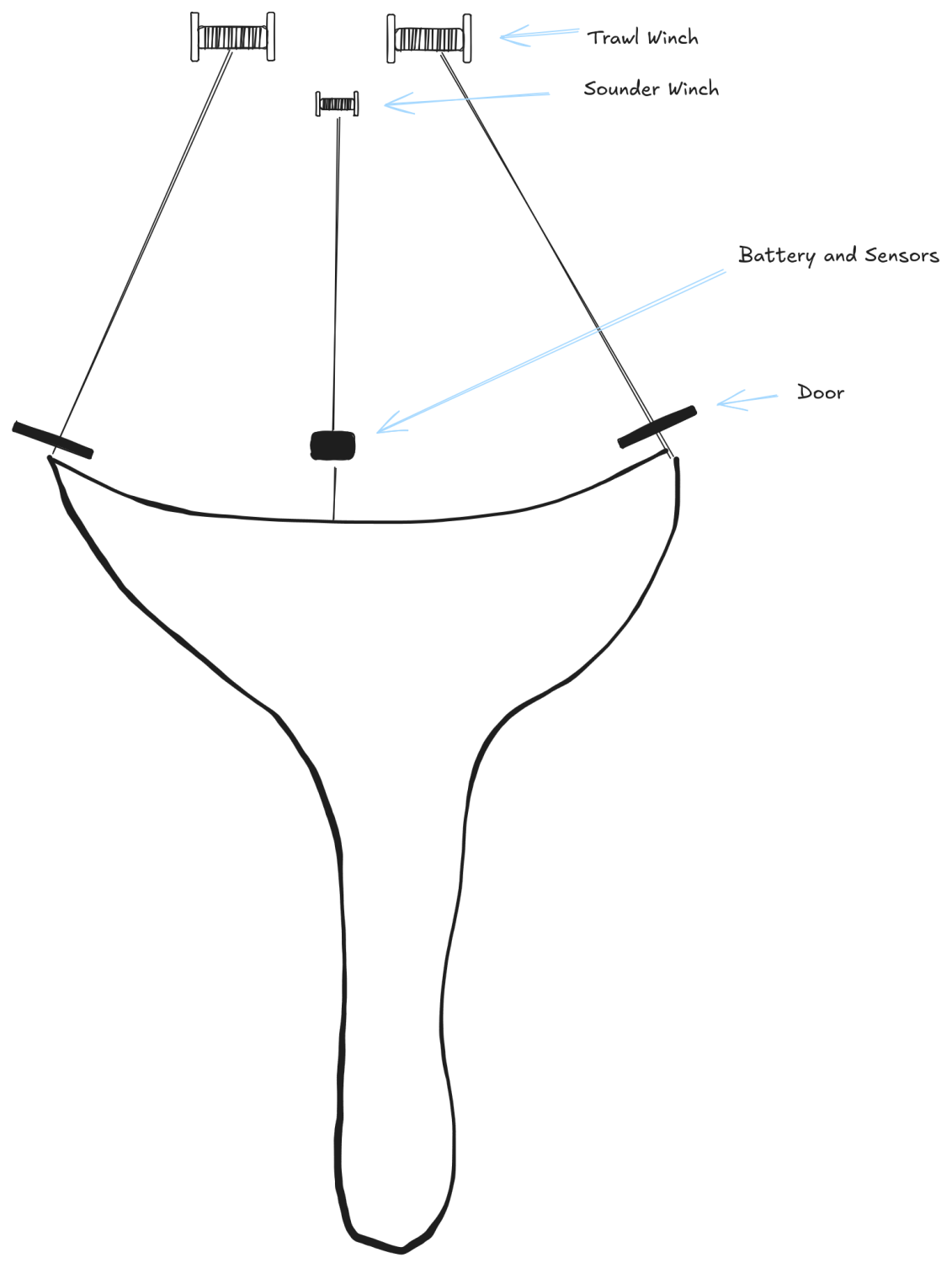
The trawl doors keep the net open as the vessel moves, while a sensor package with an echo sounder relays real-time net opening data back to the bridge. To simplify control, the sensor package is physically linked to the net and held in place by the sounder winch, which maintains constant tension to ensure it stays properly positioned relative to the gear.
The length measurement of the wires is without any sensor, since the conditions on fishing vessels are rough. The measurement is dependent on a well working spooling.
Conclusion
Modern fishing demands more than just powerful equipment—it requires intelligent, adaptable systems that work with the crew, not against them. With the Wave Framework, we’ve built a control architecture that simplifies complex operations, reduces human error, and adapts to real-world challenges on deck. By prioritizing concept-driven design, configuration over custom code, and robust communication through technologies like MQTT, we’re setting a new standard for automation at sea. The result is a smarter, safer, and more efficient vessel—ready for whatever the ocean brings.